
Thinking about signing your kid up for dance lessons? That’s awesome! But with so many options out there, choosing between ballet vs jazz dance can be confusing for parents. They’re both fun — but they offer very different experiences for kids. Let’s break it down so you can find the perfect fit at our Ottawa dance classes and have your little one twirling (or grooving!) with joy.
Key Takeaways
- Ballet is a classical dance style that focuses on precise technique, posture, and discipline, often seen as the foundation for many other dance forms.
- Jazz dance is energetic and expressive, emphasizing rhythm, sharp movements, and performance quality, often set to popular music.
- Ballet classes typically teach children balance, control, and body awareness through structured exercises at the barre and in the centre.
- Jazz classes help kids develop coordination, musicality, and confidence through dynamic movements, isolations, and choreography.
- Neither ballet nor jazz is inherently ‘better’; the best choice depends on your child’s personality, energy level, and what kind of experience they’re looking for.
What Is Ballet Dance? A Quick Overview for Parents
The Core Techniques and Style of Classical Ballet
Ballet is a really old dance style, dating all the way back to the 15th century. Think fancy Italian courts and refined movements. It’s known for its precise steps, graceful lines, and a certain elegance. You could say ballet is like the grandparent of most other dance forms; many styles borrow heavily from its techniques. It’s all about control, posture, and creating beautiful shapes with the body.
In a ballet class, you’ll see dancers working at a barre, which is a horizontal handrail. They do exercises like pliés (bending the knees) and tendus (pointing the foot). These might seem simple, but they build a lot of strength and control. Then, they move to the centre of the room for more complex steps, turns, and jumps. The music is usually classical, and the focus is on clean lines and proper alignment. It really teaches kids how to hold themselves and move with intention. You can explore everything offered through our ballet classes in Ottawa.
What Kids Learn in Ballet Classes (Posture, Discipline, Foundation)
When kids start ballet, they learn way more than just dance steps. It’s a fantastic way to build a strong physical foundation. They learn the five basic positions for their feet and arms, which are the building blocks for everything else. Plus, they work on their posture, making sure they stand tall and engage their core. This isn’t just for dancing; it’s good for everyday life too!
Ballet also teaches a lot of discipline. It requires patience and focus because mastering those precise movements takes time and repetition. Kids learn to pay attention to detail and work steadily towards improving. It’s a great way for them to develop a strong work ethic and learn that consistent practice pays off. For parents, it’s often noticeable how much a child’s posture improves after just a few classes. It’s a great starting point for any young dancer, offering benefits that carry over into other activities and even schoolwork. Children can begin ballet as early as age three, typically in pre-ballet or creative movement classes that emphasize fun and basic movement rather than formal technique. Ballet classes offer significant benefits for children aged 6 months to 8 years, enhancing motor skill development, muscle memory, neuroplasticity, and memory. Engaging in ballet activities helps young learners build a strong foundation for physical and cognitive growth.
Ballet is often seen as the bedrock of dance training. It instills a sense of order and precision that benefits children across all areas of their development, both physically and mentally. The structured environment helps them understand the value of consistent effort and attention to detail.
What Is Jazz Dance? A Quick Overview for Parents
The Core Techniques and Style of Jazz Dance
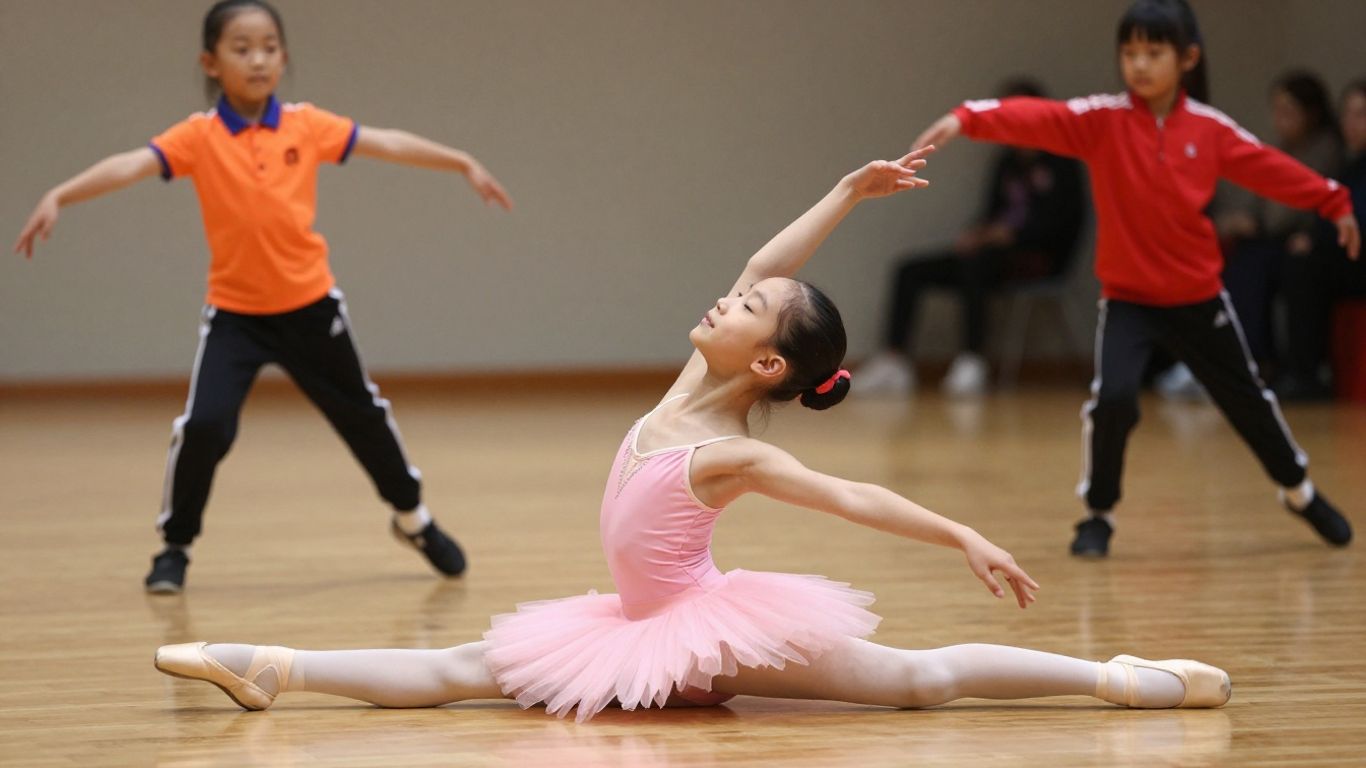
Jazz dance is a lively and energetic style that really gets kids moving. It popped up in the 20th century, drawing inspiration from African American dance traditions, Broadway shows, and popular music. Think of it as the exciting, dynamic counterpart to ballet. It’s all about rhythm, quick footwork, and showing off a bit of personality. Jazz encourages dancers to be expressive and find their own flair — and you can see this in action through our jazz classes in Ottawa.
Key elements you’ll often see in jazz include:
- Isolations: Moving just one part of the body at a time, like your head, shoulders, or hips. It’s trickier than it sounds!
- Sharp Movements: Jazz often uses quick, accented steps and dynamic changes, making it visually interesting.
- Turns and Leaps: Dancers learn spins and jumps that require coordination and a good bit of energy.
- Choreography: Putting steps together into routines, usually set to upbeat, contemporary music that kids love.
It’s a style that’s constantly evolving, borrowing from different influences, which keeps it fresh and engaging. If your child loves to groove to popular tunes and wants to perform, jazz might be a great fit. It’s a fantastic way to explore movement and express themselves through dance.
What Kids Learn in Jazz Classes (Energy, Rhythm, Performance)
When kids take jazz classes, they’re not just learning steps; they’re building a whole set of skills. It’s a really fun way to get them comfortable on stage and feeling confident.
Here’s a peek at what they’ll pick up:
- Rhythm and Musicality: Kids learn to really feel the beat and sync their movements with the music. This helps them understand timing and how to hit accents, which is super important in jazz.
- Performance Quality: Jazz is all about putting on a show! Dancers learn to use facial expressions and body language to connect with an audience. It builds confidence and stage presence.
- Coordination and Agility: The quick steps, turns, and leaps in jazz really work on a child’s coordination, balance, and overall physical control.
- Creativity and Style: While there’s technique involved, jazz also gives kids room to add their own style. They learn to interpret music and movement in their own way.
Jazz dance is a versatile style that balances technical skill with theatrical expression. It’s a great choice for children who enjoy drama and storytelling through movement. If your child has a natural flair for performance, our dance performance opportunities throughout the year give them the perfect stage to shine.
Classes are usually high-energy, starting with a warm-up that gets the blood pumping, followed by technique exercises, and then learning choreography. It’s a great way for kids to burn off energy while learning something new and exciting. Many parents find that jazz classes are a wonderful way for their children to develop coordination and a love for performing.
Ballet vs. Jazz Dance — Key Differences at a Glance
When you’re looking at dance classes for your kids, ballet and jazz dance often come up. They’re both super popular, but they’re really quite different experiences. Understanding these differences can help you pick the right fit for your child.
Music, Movement Style, and Vibe
Ballet is all about grace, control, and precise movements. Think flowing lines, elegant poses, and a very structured approach. The music is typically classical, and the whole vibe is refined and disciplined. It’s like building a strong, beautiful foundation for everything else in dance. Ballet provides a strong foundation for children, making it easier for them to learn other dance styles such as jazz, contemporary, lyrical, tap, and hip hop by promoting good posture and body awareness.
Jazz dance, on the other hand, is energetic, dynamic, and expressive. It pulls from a lot of different places, including popular music, Broadway, and African American dance traditions. The movements are often sharper, more percussive, and really focus on rhythm and personality. Kids in jazz classes often get to move to upbeat pop, R&B, or show tunes. It’s less about perfect lines and more about feeling the music and putting on a show.
When comparing jazz dance vs ballet, here’s a quick look at how they stack up:
- Ballet: Graceful, controlled, flowing movements; classical music; refined, disciplined atmosphere.
- Jazz: Energetic, sharp, dynamic movements; pop, R&B, Broadway music; lively, expressive atmosphere.
The goal isn’t to find the ‘best’ style overall, but the one that makes your child excited to put on their dancing shoes and keep coming back.
Attire, Footwear, and Class Environment
The way classes are set up and what kids wear also differs. Ballet classes usually start with a warm-up at the barre, then move to centre work and travelling steps across the floor. Dancers typically wear leotards, tights, and soft ballet slippers. Pointe shoes are for older, more advanced students.
Jazz classes often begin with a warm-up focusing on isolations (moving just one body part at a time), followed by learning steps and choreography. The attire can be more varied, but usually involves comfortable clothing that allows for movement, and jazz shoes or sometimes bare feet. The environment in a jazz class tends to be more informal and performance-oriented right from the start.
| Feature | Ballet | Jazz Dance |
|---|---|---|
| Attire | Leotard, tights, ballet slippers | Comfortable dance wear, jazz shoes or bare feet |
| Footwear | Ballet slippers (soft or pointe) | Jazz shoes or bare feet |
| Class Focus | Technique, posture, alignment, control | Rhythm, energy, expression, performance |
| Music Style | Classical | Pop, R&B, Broadway, contemporary |
| Movement Feel | Graceful, flowing, precise | Sharp, energetic, dynamic, syncopated |
Which Dance Style Is Better for Young Kids?
Deciding between ballet and jazz for your little one can feel like a big choice, but honestly, there’s no single ‘better’ style. It really comes down to your child’s unique personality, energy level, and what you hope they’ll get out of dance class. Think of it less as a competition and more about finding the right fit for their current stage of development and interests.
Best Age to Start Ballet vs. Jazz
Generally speaking, ballet classes often start with a focus on basic movement and creative play for the youngest dancers, usually around age 3 or 4. These early classes are all about getting comfortable with music and moving their bodies in fun ways. Formal ballet training, with its emphasis on specific positions and discipline, tends to be more suitable for children aged 6 to 8, when they have a bit more focus and physical control. It’s the foundation for many other dance forms, so starting here can be really beneficial.
Jazz, on the other hand, can often be a bit more flexible for younger kids. Because it’s often more upbeat and incorporates popular music, children who are naturally energetic might find it more engaging from a slightly younger age, perhaps even 4 or 5, especially in introductory classes. The focus on rhythm, coordination, and performance can be really exciting for kids who love to move and express themselves with a bit more flair. Older kids, say 9 and up, can really start to explore the more complex techniques and theatrical elements of jazz.
Remember, these are just general guidelines. Every child develops differently, and some younger kids might have the focus for more structured ballet, while others might need a bit more time before they’re ready for formal training.
Personality Fit — Is Your Child More Ballet or Jazz?
This is where it gets really interesting! Observing your child’s natural tendencies can give you some great clues. Does your child love following instructions precisely and find satisfaction in mastering small, detailed movements? They might really enjoy the structured nature of ballet. It teaches a lot about posture, discipline, and patience, which are great life skills.
On the flip side, does your child have a lot of energy, love to move to upbeat music, and enjoy showing off a bit? Jazz dance might be their jam. It’s all about rhythm, coordination, and performance. Kids in jazz classes often develop a strong sense of confidence and stage presence. It’s a fantastic way for them to express their individuality and have a blast while getting a great workout. The energy in a jazz class is usually quite different from ballet; it’s often more dynamic and exciting, which can be really appealing to kids who thrive on that kind of stimulation. If your child loves to improvise and create their own moves, jazz can be a great outlet for that creative freedom.
Ultimately, the best dance style is the one that makes your child excited to put on their dance shoes and head to the studio. Don’t be afraid to try a trial class in each style if you’re unsure. Watching them in action might just make the decision clear — or they might surprise you by loving both! Not sure what to wear on day one? Check out our dance class dress code guide so your child is ready to move.
Can Kids Take Both Ballet and Jazz Dance Classes?
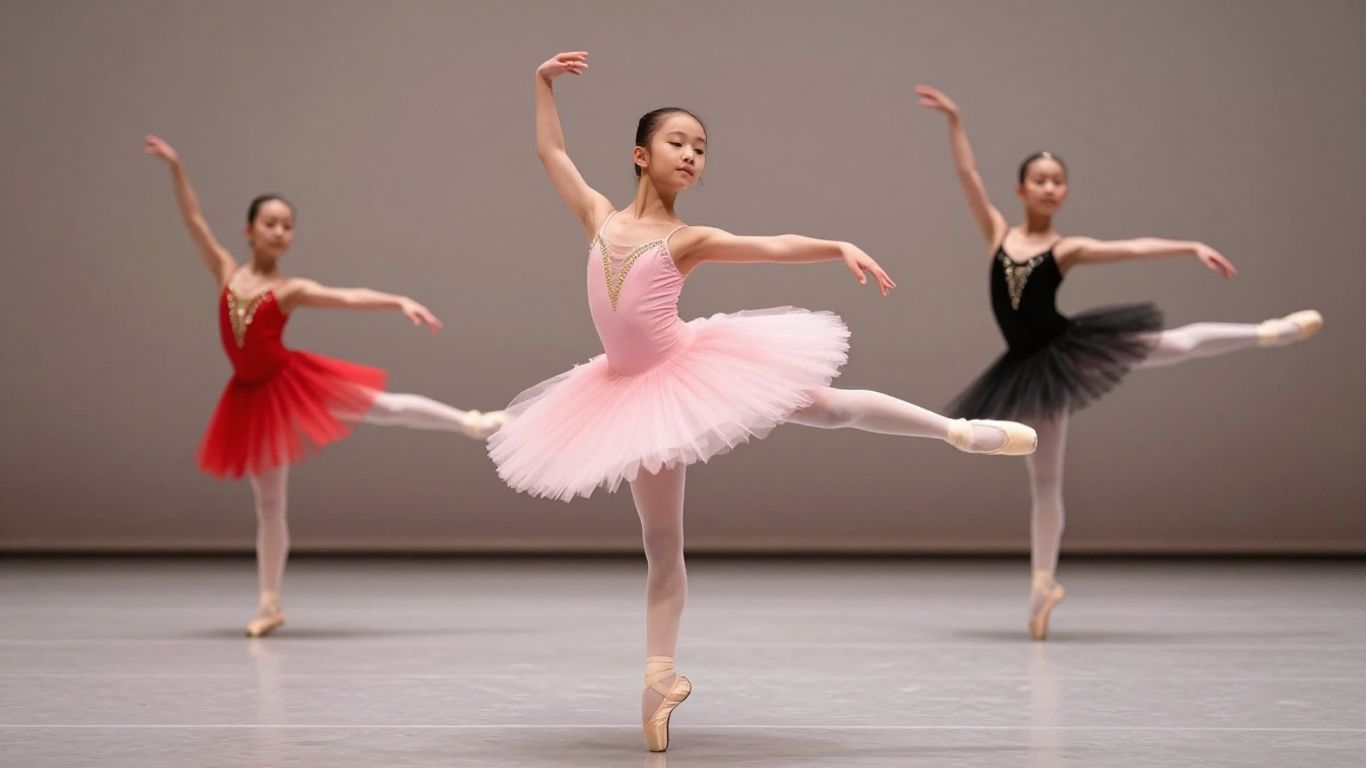
You might be wondering if your child has to pick just one style, ballet or jazz. The good news is, they absolutely don’t have to! In fact, many dance instructors actually recommend that kids take both ballet and jazz classes. Think of it like this: ballet gives your child a really strong technical base. It teaches them about posture, control, and how to move their body precisely. This foundation is super helpful for pretty much any other kind of dance they might want to try later on.
Jazz, on the other hand, brings in a whole different kind of energy. It’s all about rhythm, expression, and performing with flair. When kids learn jazz, they get better at picking up choreography quickly, feeling the music, and showing off their personality. It’s a fantastic way to build confidence and stage presence.
So, when you combine the two, you get a dancer who is both technically skilled and a great performer. It’s a win-win situation!
Here’s a quick look at how they complement each other:
- Ballet: Focuses on grace, discipline, and precise technique.
- Jazz: Emphasizes energy, rhythm, and expressive movement.
- Combined: Creates a well-rounded dancer with both strong technique and performance ability. Dancers who branch out often also enjoy exploring lyrical dance, tap dance, or acro dance as they grow. Browse all our dance styles to see the full picture.
Many studios encourage this combination, seeing it as the best way to develop versatile dancers. If your child is just starting out, it’s often suggested to begin with ballet to build that core strength and understanding of movement, and then add jazz within the first year. This approach helps them broaden their experience and skills in a really effective way.
Taking both ballet and jazz can offer a more complete dance education. Ballet provides the structure and discipline, while jazz allows for more freedom of expression and musicality. This blend helps children develop a wider range of movement and performance qualities.
How Vanessa Plettell Dance Teaches Ballet and Jazz in Ottawa
We’re all about giving kids a fantastic start in dance, whether they’re drawn to the elegance of ballet or the vibrant energy of jazz. Led by Vanessa Plettell-Chevrier, our studio has been part of the Ottawa dance community since 1989. We believe in making classes fun and accessible for every child.
Our ballet program focuses on building a strong technical foundation. We use methods that help young dancers develop proper posture, discipline, and an understanding of classical movement. It’s about learning control and grace, step by step. For those who love to move with more flair, our jazz classes are a blast! They’re designed to get kids grooving to upbeat music, learning dynamic steps, and expressing themselves. We emphasize rhythm, coordination, and performance quality in a lively atmosphere.
Here’s a quick look at how we approach each style:
- Ballet: Focuses on posture, balance, and precise movements. It’s great for building discipline and body awareness.
- Jazz: Emphasizes energy, rhythm, and personal expression. It’s perfect for kids who love to perform and move to popular music.
We understand that every child is different. Some kids naturally gravitate towards the structured beauty of ballet, while others thrive on the high-energy, expressive nature of jazz. That’s why we offer both, allowing children to explore what fits them best. Many students find that taking both ballet and jazz classes really helps them become well-rounded dancers, as the skills from one style complement the other. For instance, the discipline learned in ballet can really help with mastering complex jazz choreography, and the performance skills from jazz can add a wonderful spark to ballet presentations. We even have an Ottawa summer dance camp that offers a taste of various styles — perfect if your child wants to try both ballet and jazz before committing to a full season.
We aim to create a positive and encouraging environment where children can discover their love for dance. Our instructors are skilled at adapting to different learning styles and ensuring that each child feels successful and motivated, whether they’re taking their first steps in ballet or their first leaps in jazz. It’s about nurturing their confidence and joy in movement.
Preparing for a dance competition in Ottawa can be a big step for young dancers, and we help our students build the confidence and skills needed for such events. Don’t just take our word for it — read our student success stories or check out what Ottawa families say about learning with us.
Ready to Enroll? Find the Right Class for Your Child
So, you’ve explored ballet and jazz, maybe even thought about your child’s personality and energy levels. Now comes the exciting part: picking the actual class! It’s not just about finding a studio; it’s about finding the right fit for your kiddo. Think of it like choosing a new school – you want it to feel welcoming and stimulating.
Here’s a little breakdown to help you decide:
- Consider the Studio’s Approach: Does the studio focus on fun and exploration, or is it super strict from day one? For younger kids, a place that prioritizes building confidence and a love for movement is usually best. Look for studios that offer trial classes so your child can get a feel for the environment before committing.
- Age Appropriateness: Most studios have specific classes for different age groups. A 4-year-old’s ballet class will look very different from a 10-year-old’s. Make sure the class level matches your child’s age and experience. Some places even have parent-and-tot classes for the really little ones!
- Teacher’s Style: A good dance teacher can make all the difference. Do they seem patient? Do they know how to connect with kids? Observing a class or talking to the studio director can give you a good sense of the teaching philosophy.
Ultimately, the best dance class is one where your child feels happy, challenged, and excited to come back each week.
Choosing a dance class is a big step, and that’s totally okay. The most important thing is that your child feels comfortable and encouraged. A positive first experience can spark a lifelong passion for dance.
If you’re still weighing the ballet vs jazz dance decision, the easiest next step is to explore our current class schedule or contact us directly. You can also call us at (613) 730-3066 to ask about availability, trial classes, or what’s best for your child’s age and personality. We’d love to help you find their perfect fit. Ready? Register for dance classes in Ottawa today.
So, Which One is Right?
When it comes to ballet vs jazz dance for kids, there’s no wrong answer — only the one that lights your child up. Whether they’re drawn to ballet’s graceful discipline or jazz’s energetic expression, both styles build skills, confidence, and a love of movement that lasts a lifetime.
Frequently Asked Questions
Which dance style is recommended for a child who is just starting out?
Ballet is often the best place to begin for young dancers. It’s like learning the alphabet before writing stories. Ballet teaches fundamental techniques like posture, balance, and control, which are super helpful for any other dance style they might try later on. Think of it as building a strong base for everything else!
Can my child do both ballet and jazz classes?
Absolutely! Many kids find that ballet and jazz actually work really well together. Ballet gives them the solid technique and grace, while jazz adds a fun, energetic flair and helps them get comfortable performing. It’s a fantastic combination that offers a well-rounded dance experience.
At what age is it best for kids to start jazz dance?
Most kids can jump into introductory jazz classes when they’re around 5 or 6 years old. Before that, for the younger ones around 3 to 4, classes like creative movement or pre-ballet are usually a better fit. These classes focus more on exploring movement and having fun.
Is jazz dance good for boys?
Definitely! Jazz dance is fantastic for everyone, including boys. It’s high-energy, involves cool moves, and is all about expressing yourself. Plus, it builds great coordination and stamina. We welcome and encourage boys to join all our dance classes!
What’s the main difference in how ballet and jazz classes feel?
Ballet classes tend to be more focused on precise technique, order, and graceful movements, often feeling calmer. Jazz classes, on the other hand, are usually more lively and energetic, with a big emphasis on rhythm, personality, and performing with attitude.
How does Vanessa Plettell Dance teach ballet and jazz?
At Vanessa Plettell Dance, we offer both ballet and jazz classes in Ottawa. Our ballet program focuses on building a strong technical foundation using respected methods. Our jazz classes are high-energy and fun, set to music kids love, and designed to boost confidence and performance skills. We aim to provide a supportive environment where every child can discover their love for dance.
Enjoyed this guide? You might also find these helpful:
- Pre-Ballet vs. Creative Dance for 4-Year-Olds in Ottawa — perfect if you have a very young dancer
- Why Performance Opportunities Matter in Dance Training — what to expect from recitals and shows