

Getting your child involved in dance is a fantastic idea, and a big part of that experience is performance. It’s not just about putting on a show; it’s about building skills that last a lifetime. Let’s look at why dance performance opportunities are so important for training and how they shape young dancers into confident individuals.
Key Takeaways
- Dance performance opportunities, like recitals and competitions, give dancers a chance to show what they’ve learned and build confidence.
- Performing on stage helps dancers improve their skills faster and learn to handle nerves, which builds resilience.
- Beyond dance, these experiences teach important life skills such as discipline, focus, and time management.
- Different dance styles offer various performance avenues, and choosing the right path depends on the child’s goals and personality.
- Consistent training and participation in performances are more important than immediate perfection for a dancer’s overall growth and development.
What Are Dance Performance Opportunities?
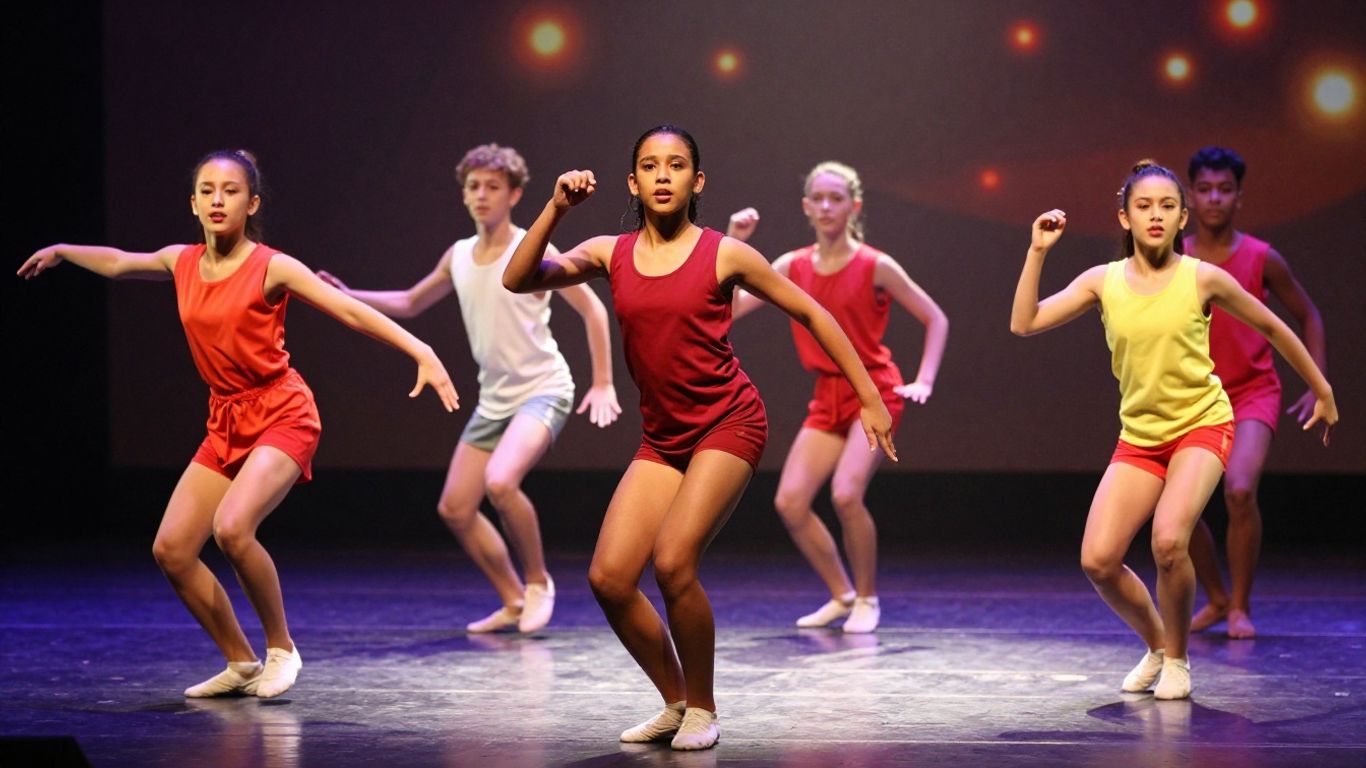
So, what exactly are we talking about when we say “dance performance opportunities”? It’s basically any chance a dancer gets to show what they’ve learned in front of an audience. Think of it as the moment all those hours in the studio pay off. These aren’t just random events; they’re carefully planned moments designed to help dancers grow. Here, we offer a wide range of dance styles to suit every child’s personality and goals.
Recitals, Competitions & Community Events Explained
These opportunities come in a few main flavours, and each offers something a little different for dancers:
- Recitals: These are often the first taste of the stage for many young dancers. Usually held at the end of a dance season, recitals are a chance for students to perform the routines they’ve been working on. It’s less about winning and more about celebrating progress and the joy of dance. They’re a big deal for building confidence and giving dancers a sense of accomplishment.
- Competitions: This is where dancers showcase their skills in a more judged setting. It’s about technique, artistry, and stage presence, all put to the test against other dancers. While it can be intense, competitions push dancers to refine their abilities and learn to handle pressure. It’s a different kind of challenge, focusing on striving for excellence.
- Community Events: These can be anything from local festivals and charity events to showcases at senior homes or school functions. They offer a more relaxed performance environment and a chance for dancers to connect with their community. It’s a great way to share the art of dance and gain experience in different performance settings.
The core idea behind all these dance opportunities is to provide a goal for training and a platform for dancers to share their passion and hard work.
Each type of dance performance opportunity plays a role in a dancer’s journey. They’re not just about the final performance; they’re about the entire process of preparation, learning, and growth that happens along the way. It’s where dancers learn to be more than just students – they learn to be performers.
The Real Reason Performance Experience Changes a Dancer
How Stage Time Accelerates Skill Development
Think about it – you can practice a dance move a hundred times in the studio, but putting it in front of an audience is a whole different ballgame. Suddenly, there’s a pressure, a focus that just isn’t there when you’re just dancing for yourself or your teacher. This isn’t about nerves, though that’s part of it. It’s about how your body and mind react when the lights come up. You learn to push through those moments when a step feels tricky, or when you forget a bit of choreography. Stage time forces you to become a problem-solver in real-time. You can’t just stop and ask what’s next; you have to figure it out, adapt, and keep going. This kind of on-the-spot thinking and execution is something you just can’t replicate in regular class time. It’s where technique meets reality, and dancers often surprise themselves with what they can actually do when it counts.
The Confidence That Only Comes From a Live Audience
There’s a unique kind of self-assurance that blossoms when you’ve successfully performed for others. It’s not just about getting applause, though that certainly feels good. It’s about the internal shift that happens when you’ve put yourself out there, shared your hard work, and seen it connect with people. You’ve prepared, you’ve rehearsed, and then you’ve done it. This accomplishment builds a deep-seated belief in your own capabilities. It’s a confidence that spills over into other parts of life, making you more willing to try new things, speak up, or tackle challenges you might have shied away from before. Don’t just take our word for it — read what Ottawa dance families are saying. It’s proof, to yourself, that you can face a situation, give it your best, and come out the other side feeling proud.
Performing isn’t just about executing steps perfectly; it’s about the journey of preparation, the courage to step onto the stage, and the personal growth that comes from sharing your art. Each performance, big or small, is a building block for a stronger, more self-assured individual.
Performance Opportunities Build Life Skills Beyond the Stage
It’s easy to get caught up in the sparkle of costumes and the thrill of applause, but dance performance opportunities offer so much more than just a chance to shine on stage. These experiences are actually packed with lessons that stick with dancers long after the curtain falls. Think of it as a secret training ground for life itself.
Discipline, Focus & Time Management in Disguise
Getting ready for a performance means showing up. It means practising when you don’t feel like it, remembering choreography, and being on time for rehearsals. This isn’t just about dance steps; it’s about building a solid work ethic. Dancers learn to manage their schedules, balancing classes, rehearsals, and schoolwork. This consistent effort builds a foundation for success in all areas of life.
Here’s a peek at what’s happening behind the scenes:
- Showing Up: Committing to rehearsals and classes, even when tired or unmotivated.
- Memorization: Learning and recalling complex sequences of movements.
- Punctuality: Arriving on time for every practice and performance.
- Responsibility: Taking ownership of your part in the group performance.
When dancers consistently attend classes and rehearsals, they experience visible improvement month after month. A turn becomes steadier. Timing sharpens. Posture improves. These incremental changes build internal belief. It’s this steady progress that builds confidence, not just a single big achievement. This is why consistent training is so important for long-term growth. You can see how this applies across all our programs — from weekly classes to our Ottawa summer dance camps, where consistent participation leads to noticeable skill development.
The journey to a performance is rarely a straight line. There will be challenging combinations to push through, moments of doubt, and the need to stay focused during complex routines. Learning to navigate these hurdles without giving up is where true resilience is built. It’s about understanding that temporary struggles often lead to lasting growth, a lesson that serves dancers incredibly well in school, friendships, and future careers.
How Different Dance Styles Open Different Performance Doors
Think about it: a ballet dancer’s journey often looks pretty different from a hip hop dancer’s, right? And that’s totally okay! Each style comes with its own flavour of performance opportunities, shaping what dancers experience and learn.
From Ballet Recitals to Hip Hop Showcases in Ottawa
Ballet, for instance, usually leans into the classic recital format. Picture this: tutus, a grand stage, and a story told through graceful movement. These recitals are fantastic for building poise, stage presence, and a deep appreciation for classical technique. Dancers learn to embody characters and present a polished, cohesive performance.
On the flip side, hip hop often thrives in more dynamic settings. Think showcases, battles, or community events. These performances are less about perfect lines and more about energy, improvisation, and connecting with the audience through raw expression. It’s a different kind of stage presence, one that’s often more about personal style and connecting with the beat.
Then you have styles like contemporary or jazz, which can bridge the gap. They might have recitals, but also lend themselves well to festival performances or even short film projects. It really depends on the studio and the choreographer’s vision. Styles like lyrical dance, tap, and acro each bring their own unique performance flavour too — from storytelling through movement to crowd-pleasing tricks that light up the stage.
Competitive vs. Non-Competitive Paths: What’s Right for Your Child?
When we talk about performance, we often see two main paths emerge: competitive and non-competitive.
- Non-Competitive: This path usually centres around studio recitals, community performances, or end-of-year showcases. The focus here is on participation, building confidence, and celebrating the joy of dance without the pressure of scores or rankings. It’s a great way for younger dancers or those who dance for pure enjoyment to get stage experience.
- Competitive: This route involves participating in dance competitions. Here, dancers perform routines judged on technique, artistry, and stage presence. It’s a path that demands a high level of commitment, discipline, and resilience. While it can be incredibly rewarding, it also comes with its own set of challenges, like dealing with nerves, constructive criticism, and the ups and downs of judging.
Choosing the right path isn’t about which one is ‘better,’ but which one aligns with a child’s personality, goals, and current stage of development. Both offer unique lessons and experiences that contribute to a dancer’s growth.
Ultimately, the goal is to find performance opportunities that fit the dancer’s style and personality, helping them grow not just as performers, but as well-rounded individuals. Whether it’s a formal ballet recital or a high-energy hip hop battle, each experience adds a unique chapter to their dance story.
What Parents Often Misunderstand About Performance Readiness
It’s pretty common for parents to think their child needs to be absolutely perfect before stepping onto a stage. You see them practicing at home, maybe stumbling over a step or two, and you think, “They’re not ready yet.” But honestly, that’s where a lot of the misunderstanding about performance readiness comes in. The goal isn’t perfection before the performance; it’s using the performance to build towards perfection.
Your Child Doesn’t Need to Be ‘Ready’ — They Need Reps
Think about it like learning to ride a bike. You don’t wait until your kid can do a perfect wheelie before they even get on the bike, right? They need to get on, wobble, maybe fall a few times, and get back up. Dance is the same way. Those moments on stage, even if they aren’t flawless, are the practice sessions that truly count. They’re the ‘reps’ that build skill and confidence.
Here’s a breakdown of why those stage moments are so important, even if your dancer isn’t flawless yet: every time they step on that stage, they are building the muscle memory, courage, and presence that no amount of studio practice alone can replicate.
Meet Vanessa Plettell-Chevrier: Ottawa’s Award-Winning Dance Director
When you think about what makes a dance studio truly special, it’s often the person at the helm. At VPD, that’s Vanessa Plettell — a Faces Magazine 2025 award winner for Best Dance School, Best Choreographer, and Best Dancer in Ottawa. She doesn’t just teach steps; she builds dancers who can stand tall, shine on stage, and carry that confidence into everyday life. Learn more about the director behind the studio.
The Heart of the Studio
Her approach to dance training is all about seeing the bigger picture. She believes that performing isn’t just an add-on; it’s a core part of learning to dance. It’s where all that hard work in the studio really comes to life.
- She sees performance as a learning tool: It’s not just about the final show, but the journey to get there. This includes learning how to take direction, work with others, and manage nerves.
- Focus on growth, not just perfection: She encourages dancers to embrace the process, understanding that mistakes are just part of getting better.
- Creating a positive environment: She makes sure that every dancer, no matter their skill level, feels supported and encouraged when they step onto the stage.
The vision here is to create opportunities where dancers can discover their potential, build confidence, and develop skills that go way beyond the dance floor. It’s about nurturing a love for movement and performance that lasts a lifetime.
Ottawa’s 2025 Award-Winning Dance Studio & Choreographer
Her own background in dance has shaped how she leads VPD. She understands what it takes to be on stage, the thrill, the nerves, and the sheer joy of it all. This personal insight allows her to design performance opportunities that are both challenging and incredibly rewarding for students of all ages and levels. She’s been there, done that, and now she’s bringing that wisdom to Ottawa’s young dancers.
What Makes VPD’s Performance Opportunities Different in Ottawa
Here, we see performance not just as a final showcase, but as an integral part of a dancer’s journey. It’s where all the hard work in the studio truly comes to life. We’ve designed our performance opportunities to be more than just a recital; they’re stepping stones that build confidence, skill, and a lasting love for dance.
A Structured Pathway from First Class to Centre Stage
We believe that every dancer, regardless of age or experience, deserves the chance to shine. Our approach is about creating a clear, supportive progression. It starts with the very basics in class and builds up to confident stage presence. We don’t just throw dancers into the spotlight; we prepare them.
- Foundational Classes: Even our youngest dancers get opportunities to perform in informal class settings, getting comfortable with an audience.
- Studio Showcases: As dancers progress, they participate in studio-wide events that are less about competition and more about celebrating their growth and learning.
- Community Events: We actively seek out chances for our dancers to perform at local festivals and events, giving them real-world experience in front of diverse crowds.
- Annual Recitals: Our main recitals are carefully choreographed productions that highlight the skills learned throughout the year, providing a polished and memorable experience.
This structured approach means dancers are always ready for the next step, building confidence with each performance. It’s about consistent development, not just a one-off event. For those looking for more intensive training, consider exploring our summer programs.
Real Stories from Dancers Who Found Their Voice Here
It’s the dancers themselves who best tell the story of what our performance opportunities mean. We’ve seen shy beginners blossom into confident performers, and experienced dancers push their boundaries to new heights.
The real magic of consistency appears over years, not just months. Each season builds on the last. Strength increases. Flexibility improves. Stage presence grows. Confidence becomes visible. Parents who commit to long-term dance training often describe it as one of the most impactful investments they made in their child’s development.
We focus on celebrating progress, not just perfection. This means every dancer feels seen and valued, whether they’re performing a simple step or a complex solo. It’s this environment that allows them to truly find their voice and express themselves through movement. We’ve seen firsthand how these experiences translate into greater self-assurance, not just in the studio, but in school and everyday life too. It’s about building well-rounded individuals who are comfortable sharing their talents with the world.
How to Get Your Child Started with Dance Performance Opportunities in Ottawa
Thinking about getting your child involved in dance performances here in Ottawa? It’s a fantastic way for them to grow, both as dancers and as people. The first step is usually talking to their dance studio about what’s coming up. Most studios have a structured approach, starting with smaller, in-house events and building up to bigger shows. You can view our current class schedule to see what’s available for your child’s age and level.
Here’s a general idea of how it often works:
- Introductory Classes & Studio Showcases: Many studios begin with simple showcases where students perform for family and friends. This is a low-pressure way to get used to being on a stage.
- Year-End Recitals: These are often the main events of the dance year. They involve more preparation and a larger audience, giving dancers a real sense of accomplishment.
- Community Events: Participating in local festivals or events can offer exposure to different audiences and performance settings.
- Competitions (Optional): For some, competitive dance is an option, which involves performing routines for judges. This path requires a significant commitment but can build specific skills.
The key is consistency; showing up week after week builds the skills and confidence needed for the stage. It’s not about being perfect from day one, but about the journey of learning and improving. Think of it like learning to ride a bike – you fall a few times, but you get back up and keep trying. That resilience is a huge part of what dance teaches.
When you’re looking at studios, ask about their performance philosophy.
You can meet our dance teachers and get a feel for the people who will be guiding your child every step of the way.Do they focus on participation and growth, or solely on winning? A studio that celebrates effort and progress, like our studio, will provide a more positive experience for most young dancers. It’s about building them up, not just pushing them to be the best. Remember, even a small in-studio showcase can be a massive milestone for a child. See our upcoming performance opportunities here.
Don’t wait for your child to be ‘ready’ for a performance. The experience of performing is what helps them become ready. Each opportunity, big or small, is a chance to learn, adapt, and build confidence. Embrace the process, and you’ll see them blossom.
Conclusion
So, when we look at everything, it’s pretty clear that getting on stage and showing what you’ve learned isn’t just about a shiny trophy or a perfect score. It’s about building up that inner strength, learning to handle nerves, and really seeing how far you’ve come. These moments, whether it’s a big recital or a smaller performance opportunity, give dancers a chance to put all their hard work into practice and feel that sense of accomplishment. It’s these experiences that help shape them into more confident, resilient people, ready to take on whatever comes next, both in and out of the dance studio.
Ready to Give Your Child Their First Stage Moment?
At Vanessa Plettell Dance, every class is a step toward your child’s next performance. Whether they’re a first-timer or a seasoned studio dancer, we have a pathway built for them — right here in Ottawa.
You can register for classes today, browse our performance gallery, and view the class schedule.
Frequently Asked Questions
Why are dance performances important for training?
Performing on stage is like a final exam for all the hard work you put in during dance classes. It helps you get comfortable performing in front of people, builds your confidence, and shows you what you’ve accomplished. It’s a chance to shine and feel proud of your progress, which makes you want to keep getting better.
How does performing help dancers improve?
When you perform, you have to remember all the steps, move to the music, and show your best self. This pushes you to really focus and use everything you’ve learned. Getting on stage helps you learn how to handle nerves and perform even when things are a bit scary, making you a stronger and more skilled dancer.
What life skills do dancers learn from performing?
Performing teaches you more than just dance moves. You learn to be disciplined by showing up for rehearsals, focused during routines, and good at managing your time to balance dance with other parts of your life. It also teaches you how to work with others and be a good teammate.
Is it okay if my child gets nervous before performing?
Absolutely! It’s totally normal to feel nervous before a performance. The important thing is learning how to handle those nerves. Performing regularly helps dancers get used to that feeling and develop ways to stay calm and focused, which is a super useful skill for many situations, not just on stage.
How do different dance styles offer different performance chances?
Different dance styles have different kinds of performances. Ballet often has traditional recitals, while hip hop might have showcases or battles. Competitive dance styles have competitions with judges. Each style offers unique ways to perform and share your dancing with an audience.
Should my child be perfect before they perform?
Not at all! The goal isn’t perfection, especially when you’re still learning. Performances are about giving dancers chances to practice, gain experience, and build confidence. Every time you get on stage, you learn and grow, no matter how perfect the performance is. It’s about the journey and the effort.
