

Hip Hop dance is way more than just moves; it’s a whole story, a whole culture that grew out of tough times. Think late 70s Bronx, where young people, often overlooked, found a way to express themselves through music and dance. It all started with block parties and DJs looping breaks, giving dancers space to get down. This wasn’t just about having fun; it was about creating something new, a language of movement that spoke volumes about their lives and hopes. The dance hip hop history is a testament to creativity blooming in unexpected places.
The Genesis of Hip Hop Dance
Hip hop dance didn’t just appear out of nowhere. It grew from a mix of things happening in the late 60s and early 70s. Think of it as a creative explosion fueled by music, community, and a need for expression, especially in places like the Bronx.
Roots in Funk Styles and Soul Train
Before hip hop music and dance were even called that, there were the funk styles. These dances, like locking and popping, were big on the West Coast and got a lot of attention on the TV show Soul Train. Don Cornelius’s show, which started in 1971, was one of the first places many people saw these moves. It was a big deal because it brought street dance into living rooms across the country. These styles, with their sharp movements and groovy isolations, laid some serious groundwork for what was to come.
The Bronx Block Party Phenomenon
Things really kicked off in the Bronx. DJ Kool Herc is often credited with throwing some of the first block parties around 1973. He noticed that people loved the instrumental breaks in songs – the parts where the beat really drops. So, he started using two turntables to loop these breaks, making them longer so people could dance for extended periods. This extended break became known as the ‘breakbeat,’ and the dancing that went with it was called ‘breaking.’ These parties weren’t just about music; they were community gatherings, a way to have fun and connect.
Early Influences: James Brown and Bruce Lee
It’s hard to talk about early hip hop without mentioning James Brown. His energetic performances and signature moves, like the
The Birth of Breaking and Early Crews
So, how did this whole breaking thing really get started? It wasn’t just random moves; it was a direct response to the music and the energy of the streets. Think back to the early 70s in the Bronx. DJs like DJ Kool Herc were doing something revolutionary. They noticed that dancers went wild during the instrumental breaks in songs – those moments when the vocals dropped out and the beat really hit hard. Herc figured out how to extend these breaks using two turntables, playing the same section of a record over and over. This created a continuous loop of pure rhythm, giving dancers a longer canvas to express themselves. This extended breakbeat became the heartbeat of breaking.
These dancers, who became known as b-boys and b-girls, started elaborating on moves inspired by James Brown’s energetic performances. They weren’t in fancy studios; they were in living rooms, hallways, and most importantly, at block parties. These parties were the real incubator for the dance. It was a social thing, a way to connect and compete. Crews started forming, not just as teams, but as families. They’d gather, practice, invent new moves, and battle each other. It was all about developing your own style and making a name for yourself.
One of the most legendary crews to emerge from this era was the Rock Steady Crew. Founded by Jimmy Dee and Jimmy Lee, they took breaking from the local scene to a much bigger stage, appearing in iconic films like Flashdance and Beat Street. They even got invited to Studio 54, which was a huge deal back then. Their name actually came from the idea of ‘steady battling’ – always being ready to go. Other crews were popping up too, like the New York City Breakers, who focused on power and speed, and on the West Coast, crews like The Electric Boogaloos were pioneering funk styles. It was a vibrant, competitive, and creative time, with each crew pushing the boundaries of what dance could be.
The development of breaking was deeply tied to the DJ’s ability to manipulate the music. Without the extended breakbeats, the dancers wouldn’t have had the space to develop the complex footwork, freezes, and power moves that define the style. It was a symbiotic relationship between the music and the movement.
Here are some of the key elements that defined early breaking:
- The Breakbeat: The foundation, thanks to DJs like Kool Herc.
- Toprock: The standing steps used to enter and exit the floor.
- Footwork: Intricate steps performed on the floor.
- Freezes: Poses held for a moment, often in challenging positions.
- Power Moves: Dynamic, acrobatic moves like windmills and flares.
These elements weren’t just random; they were built upon through constant practice and battling. Crews like Rock Steady Crew and The Electric Boogaloos weren’t just dancing; they were creating a new art form, one move at a time, right there on the streets of New York and beyond. It’s amazing to think how much of what we see today has roots in those early block parties and the dedication of those first dancers.
The Evolution of Hip Hop Dance Styles
Roots in Funk Styles and Soul Train
Before breaking really took off, there were these amazing dances happening on shows like Soul Train. We’re talking about the funk styles, mostly created by African Americans out in California. Think Locking, Popping, and Boogaloo. These weren’t just random moves; they had a whole vibe to them, a real sense of personality. James Brown was a huge influence here too, his energy and stage presence inspired so many dancers. It’s wild to think how these styles, born from funk music and a desire to express something unique, laid the groundwork for what was to come.
The Bronx Block Party Phenomenon
Then things really kicked off in the Bronx. DJ Kool Herc started extending the instrumental breaks in songs, giving dancers more time to do their thing. This is where breaking, or b-boying/b-girling, really started to form. It was raw, it was energetic, and it was happening right there on the streets at block parties. These weren’t polished performances; they were spontaneous bursts of creativity fueled by the music and the community. It was a whole new way to move and interact.
Early Influences: James Brown and Bruce Lee
It’s hard to overstate the impact of James Brown. His music was the soundtrack for so much of this early dance, and his own moves were legendary. Dancers watched him, absorbed his style, and translated it into their own. And then there’s Bruce Lee. His martial arts films, with their incredible athleticism and precise movements, also found a big audience among early hip hop dancers. You can see echoes of that power and control in some of the breaking moves that developed. It shows how diverse the influences were, pulling from music, film, and street culture all at once.
Hip Hop Dance Enters the Mainstream
The Impact of Films like Wild Style and Beat Street
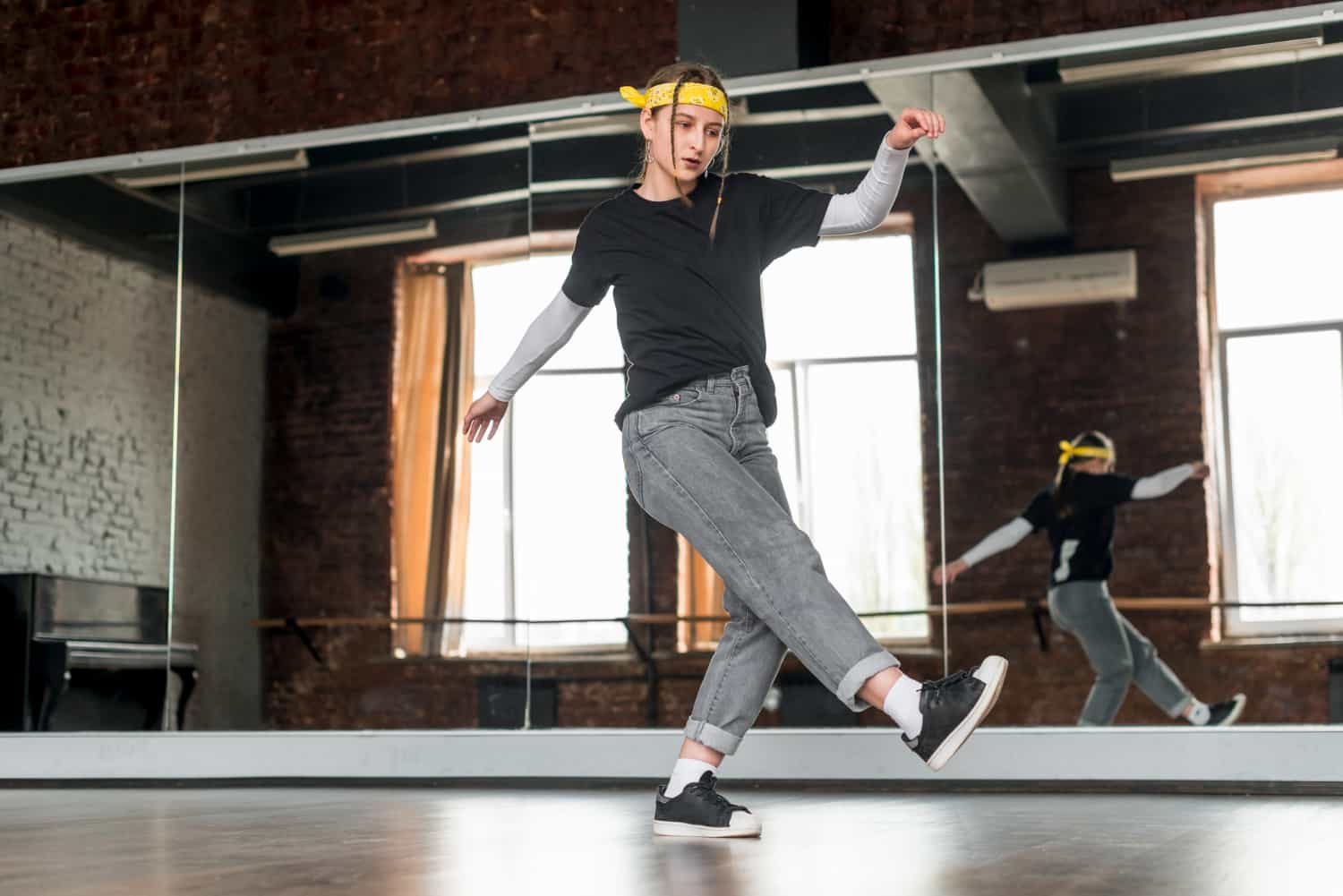
It’s wild to think about how something that started in the streets, at block parties and community centers, suddenly exploded onto screens big and small. The early 80s were a game-changer for hip hop dance. Movies like Wild Style, Style Wars, and Beat Street weren’t just films; they were like windows into a whole culture that many people had never seen before. Suddenly, breaking, popping, and locking weren’t just local moves anymore. They were being broadcast to audiences everywhere, showing off the raw energy and creativity that came out of places like the Bronx.
These films were more than just entertainment; they were a vital bridge, connecting the underground hip hop scene with the wider public. They captured the essence of the dance, its connection to the music, and the spirit of the dancers themselves, making it accessible and exciting for a global audience.
National Exposure Through Dance Battles
Beyond the movies, dance battles played a huge role. Remember that big showdown between the Rock Steady Crew and the Dynamic Rockers at Lincoln Center back in ’81? That wasn’t just a local event; it got written about in newspapers, even National Geographic! It showed that these weren’t just random street moves; there was skill, competition, and a real community around this dance. It was like a sport and an art form all rolled into one, and people were starting to take notice.
Here’s a look at some key moments that brought hip hop dance into the spotlight:
- 1981: The Rock Steady Crew vs. Dynamic Rockers battle at Lincoln Center gets major press.
- 1983: Rock Steady Crew members appear in the movie Flashdance, bringing breaking to a massive audience.
- 1984: Films like Beat Street are released, further popularizing street dance styles.
Commercialization and Media Representation
Of course, once something gets popular, it gets commercialized. You started seeing breakers in commercials for everything from soda to fast food. It was amazing exposure, but sometimes it felt like the real meaning, the struggle and the community roots, got a bit lost in the shuffle. It was a double-edged sword: hip hop dance was getting seen by millions, but the way it was presented wasn’t always true to its origins. It was a tricky balance between sharing the culture and seeing it become just another trend.
The Cultural Significance of Hip Hop Dance
The Five Elements of Hip Hop Culture
Hip hop dance isn’t just about moves; it’s a piece of a bigger picture, a whole culture. Think of it like this: you’ve got the music, the words, the art, and the dance. These are the main parts, the “five elements” that make up hip hop. You’ve got DJing, which is all about the music and keeping the party going. Then there’s Emceeing, the MCs hyping up the crowd and dropping rhymes. Graffiti art is the visual side, expressing ideas on walls. Breaking, the original dance style, is where a lot of hip hop dance roots lie. And finally, there’s Knowledge, which is about understanding yourself and the world around you, and using that to make things better.
Hip Hop as a Form of Resilience and Expression
Growing up in tough neighborhoods, especially in the Bronx back in the day, wasn’t easy. There was a lot of struggle, poverty, and not much support from the outside. For many young Black and Latino people, hip hop became a way out, a positive outlet. Instead of getting caught up in negative stuff, they poured their energy into creating something new. This dance, along with the other elements, was a way to express themselves, to show who they were, and to build something positive when it felt like there wasn’t much else. It was about creativity, respect, and finding your own voice when the world might not be listening.
Community and Identity in Hip Hop Dance
More than just dancing, hip hop brought people together. It created communities where people could connect, share ideas, and feel like they belonged. It gave folks a sense of identity, a way to be proud of who they were and where they came from. It wasn’t just about showing off moves; it was about building something together, a shared culture that could lift people up. This sense of belonging and shared purpose is a huge part of why hip hop dance has lasted so long and spread so far.
Global Spread and Contemporary Hip Hop
International Dance Crews and Competitions
It’s wild to think about how something that started in the Bronx block parties is now a worldwide thing. Seriously, hip hop dance has gone global, and it’s not just about people dancing in their living rooms anymore. We’ve got these seriously talented international dance crews popping up everywhere, from Seoul to São Paulo. These crews aren’t just copying moves; they’re taking hip hop dance and making it their own, blending it with their local cultures. And the competitions? They’re huge! Events like the Hip Hop International championships bring together crews from all over the planet to battle it out. It’s a massive showcase of skill, creativity, and the sheer passion people have for this dance form. The competitive scene has really pushed the boundaries of what’s possible in hip hop dance.
Modern Social Dances and Online Influence
Remember when dances used to spread through word-of-mouth or maybe a music video? Things are way different now. The internet, especially platforms like YouTube and TikTok, has completely changed the game for social dances. A new move can go viral overnight, and suddenly, people everywhere are trying it out. Think about dances like the ‘Renegade’ or the ‘Savage’ – they blew up online. It’s amazing how quickly these trends can spread, and it means that hip hop dance is constantly evolving. It’s not just about the big crews and competitions; it’s also about everyday people sharing their moves and creating new ones. This online influence means improvisation and quick adaptation are more important than ever.
The Enduring Legacy of Dance Hip Hop History
Looking back, it’s clear that hip hop dance is more than just a trend. It’s a living, breathing art form with deep roots. From the early days of breaking and funk styles to the global phenomenon it is today, the spirit of creativity, community, and expression remains. The pioneers who started it all laid a foundation that continues to inspire new generations. Even as styles change and new technologies emerge, the core elements of hip hop dance – its history, its culture, and its power to connect people – endure. It’s a testament to the resilience and adaptability of this incredible dance culture.
Hip hop dance has always been about more than just steps; it’s a way to tell stories, to build community, and to find your voice. The journey from the streets of New York to stages around the world shows just how powerful and universal this art form truly is.
The Beat Goes On
So, that’s the whirlwind tour of Hip Hop dance. It started in the Bronx, grew up on Soul Train, and exploded into this global thing we see everywhere today. It’s more than just moves; it’s about community, creativity, and telling stories without words. From the early funk styles to the latest social dances, Hip Hop dance keeps changing and evolving. It’s a living art form, always finding new ways to express itself, and it’s pretty cool to see how far it’s come from those early block parties. It’s definitely not going anywhere anytime soon.
Ready to join the movement? Sign up for Ottawa Dance Classes with Vanessa Plettell Dance today! Call us at +1 613-730-3066 to get started.
