
Thinking about learning the foxtrot dance in Ottawa? It’s a smooth, elegant dance that’s perfect for weddings, parties, or just a fun night out. But like any dance, getting the technique right takes a bit of practice. We chatted with some local instructors to get their best tips on how to improve your dance moves, from holding yourself right to making sure your steps are on point. Whether you’re a total beginner or looking to polish your skills, these insights will help you glide across the dance floor.
Key Takeaways
- Mastering the basic foxtrot steps, including the ‘slows’ and ‘quicks’, is the first step to graceful movement.
- Good posture and a stable frame are vital for a smooth connection with your dance partner.
- Focus on precise footwork to achieve that signature foxtrot smoothness and avoid looking stiff.
- Clear communication between the leader and follower is what makes the foxtrot truly shine.
- Practicing common dance challenges, like turns, will help you gain confidence and flow on the dance floor.
Understanding the Foxtrot Dance: A Foundation for Ottawa Dancers
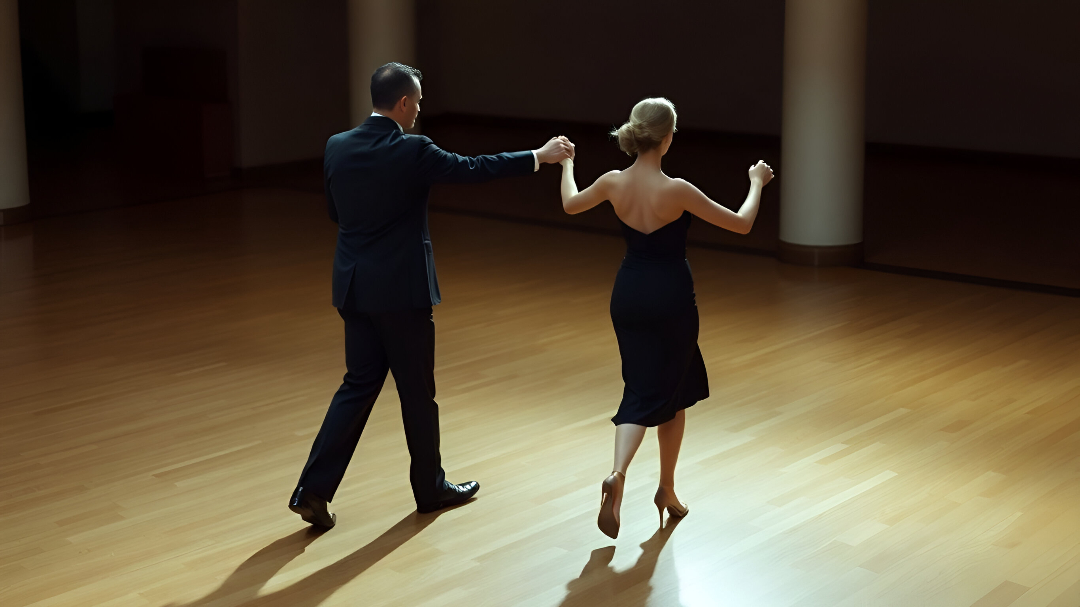
So, you’re thinking about diving into the world of Foxtrot, maybe looking for some Ottawa foxtrot dance lessons? That’s great! Before we get into the nitty-gritty of technique, let’s get a feel for what the Foxtrot is all about. It’s a really popular ballroom dance, known for being smooth and flowing, kind of like gliding across the floor. It’s often danced to jazz and swing music, but you’ll hear it in lots of different dance styles too.
The Basic Foxtrot Dance Step: Slows and Quicks Explained
The Foxtrot has a distinctive rhythm that’s built on a pattern of slow and quick steps. Think of it like this: a “slow” step takes two beats of music, and a “quick” step takes one beat. The most common timing you’ll hear is “slow, quick, quick” (SQQ). This means you’ll take one longer step, followed by two shorter, faster steps. It sounds simple, but getting the timing just right is key to making the dance feel natural and not rushed.
Here’s a quick breakdown:
- Slow: Takes 2 beats of music.
- Quick: Takes 1 beat of music.
So, a “slow, quick, quick” sequence uses a total of 4 beats (2 + 1 + 1 = 4). This pattern is the building block for most Foxtrot figures.
Rhythm and Timing: The Heartbeat of the Foxtrot
Getting the rhythm down is probably the most important part of learning Foxtrot. It’s what gives the dance its characteristic smooth, flowing feel. If your timing is off, the dance can feel choppy or awkward. It’s not just about counting “slow, quick, quick” either; it’s about feeling the music and letting it guide your movements. Listening to different Foxtrot songs and trying to tap out the rhythm can really help.
The music itself tells you when to move and how. Pay attention to the melody and the beat. It’s like a conversation between you and the music, and the timing is the language you use.
When you’re starting out with dance lessons for foxtrot, your instructor will spend a lot of time helping you find that rhythm. It takes practice, but once you get it, the dance just clicks.
Instructor Insights: Mastering Foxtrot Dance Technique
Getting the foxtrot dance technique right is all about the details. It’s not just about knowing the steps; it’s about how you carry yourself and connect with your partner. Let’s break down some key areas instructors focus on.
Posture and Frame: Creating a Stable Connection
Think of your posture and frame as the invisible structure that holds the dance together. Good posture means standing tall, shoulders relaxed but back, with your head held high. This isn’t just for looks; it helps with balance and allows for better movement.
Your frame is the connection you have with your partner, usually through your arms and upper bodies. It needs to be firm enough to communicate your intentions but soft enough to allow for flexibility. A rigid frame makes it hard to move, while a floppy one means you lose connection. It’s a delicate balance.
- Leader: Maintain a slight forward inclination from the ankles, keeping your core engaged. Your arms should create a stable, yet responsive, connection.
- Follower: Mirror the leader’s posture, maintaining a connection through the frame without collapsing or leaning too heavily.
- Both: Keep your shoulders down and relaxed. Tension here will travel through your whole body and affect your movement.
The connection you build through your frame is how you’ll communicate the next step, the change in speed, or a turn. It’s a silent conversation that makes the dance flow.
Footwork Fundamentals: Smoothness and Precision
Foxtrot is known for its smooth, gliding quality. This comes down to precise footwork. The goal is to make it look effortless, like you’re floating across the floor.
- Weight Transfer: Make sure you fully transfer your weight from one foot to the other with each step. Avoid staying on the balls of your feet for too long, which can make you look bouncy.
- Foot Placement: Aim for soft landings. Instead of stomping, think about placing your foot down gently. For the ‘slow’ steps, you’ll often step forward or backward, while ‘quick’ steps might be side steps or small adjustments.
- Knee and Ankle Action: Use your knees and ankles to absorb shock and create that smooth, flowing motion. Think of them as shock absorbers for your dance.
Leading and Following: The Art of Communication
This is where the magic of partnered dancing truly happens. It’s a constant dialogue between the leader and the follower.
- Clear Leading: Leaders need to initiate movements clearly and with intention. This means preparing your follower for the step you want them to take, using your body and frame.
- Responsive Following: Followers need to be attentive to the leader’s signals. It’s not about guessing; it’s about feeling the lead and responding smoothly.
- Timing is Everything: Both partners must be in sync with the music and each other. A slight delay or premature move can throw off the entire sequence.
Mastering these elements of foxtrot dance technique will transform your dancing from simply moving to truly performing. It takes practice, but focusing on posture, frame, footwork, and communication will get you there.
Common Challenges and How to Overcome Them
Even with the best intentions, learning any new dance, including the Foxtrot, comes with its own set of hurdles. Don’t get discouraged if you hit a few bumps along the way! Most dancers face similar issues, and with a little focus and practice, you can smooth out those rough edges.
Avoiding the ‘Stiff’ Dance: Achieving Flow
One of the most common complaints from beginners is that their Foxtrot feels rigid or robotic. This often happens because dancers are concentrating too hard on remembering the steps and not enough on the movement itself. The Foxtrot is meant to be smooth and flowing, like gliding across the floor. To combat this stiffness, try focusing on these points:
- Weight Transfer: Make sure you’re fully transferring your weight from one foot to the other with each step. Don’t leave weight on both feet simultaneously, as this creates a halting motion.
- Knee Action: Keep your knees slightly bent and relaxed. This allows for a more fluid movement through your legs and hips, which translates to the rest of your body.
- Body Movement: Think about moving your whole body, not just your feet. Allow your upper body to follow the line of your legs, creating a continuous, elegant line.
- Music Connection: Really listen to the music. The Foxtrot is often danced to slower, melodic tunes. Try to feel the rhythm and let it guide your movement, rather than just counting steps.
Improving Your Turns and Spins
Turns and spins can be tricky, especially when you’re trying to maintain balance and connection with your partner. Here’s how to tackle them:
- Spotting: Just like in ballet, spotting is your best friend. Pick a fixed point in the room and keep your eyes on it as you turn. When your body has rotated as far as it can, snap your head around to find your spot again. This helps prevent dizziness and keeps you oriented.
- Core Engagement: A strong core is vital for stable turns. Engage your abdominal muscles throughout the turn to keep your body upright and controlled.
- Initiation: Make sure the turn is initiated from your body’s center, not just your arms or legs. A good lead from your partner will help set up the turn, but your own body needs to be ready to rotate.
- Practice Separately: If you’re struggling with partner turns, practice them solo first. Get comfortable with the rotation and balance on your own before bringing your partner into the equation. You can find great beginner Latin dance classes in Ottawa that can help build your core strength and coordination for all types of dance moves.
Remember, every dancer starts somewhere. By understanding these common challenges and actively working on solutions, you’ll be well on your way to a more confident and graceful Foxtrot.
Benefits of Learning Foxtrot Dance
Learning the foxtrot offers a surprising number of advantages, going way beyond just knowing a few dance steps for beginners. It’s a fantastic way to get your body moving and your mind engaged. Think of it as a full-body workout that doesn’t feel like a chore. You’ll find yourself improving your balance and coordination, which are super helpful in everyday life, not just on the dance floor. Plus, the rhythm and flow of the foxtrot can be incredibly calming, acting as a great stress reliever after a long week.
How to Choose the Right Dance Studio and Classes in Ottawa
When you’re ready to dive into the world of foxtrot, picking the right place to learn makes a big difference. Look for studios that offer a welcoming atmosphere, especially if you’re trying out foxtrot dance steps for beginners. A good instructor will break down the moves clearly and patiently, making sure you feel comfortable. It’s also worth checking out class schedules to find something that fits your life. Some studios might offer introductory workshops or trial classes, which are perfect for getting a feel for the teaching style and the general vibe. Don’t be afraid to ask questions about class sizes and the experience level they cater to. Finding a studio that feels like a good fit can really boost your confidence and make the learning process much more enjoyable. You might even find yourself meeting some great people along the way, turning your dance lessons into a social outing.
- Improved Physical Fitness: Regular practice boosts stamina, strengthens muscles, and improves cardiovascular health.
- Enhanced Coordination and Balance: Mastering the smooth, gliding movements of the foxtrot sharpens your body’s ability to work together.
- Stress Reduction: The focus required and the rhythmic nature of the dance provide an excellent escape from daily pressures.
- Boosted Confidence: Successfully learning new steps and performing them builds self-assurance.
- Social Connection: Dance classes are a great way to meet new people and build a community, much like the welcoming vibe found in Ottawa’s salsa dance lessons.
Conclusion
So, there you have it. We’ve gone over some ways to really nail down your Foxtrot technique, from getting your frame just right to making those steps flow smoothly. Remember, practice is key, and listening to your instructors is super important. Don’t get discouraged if it feels a bit clunky at first; every dancer started somewhere. Keep at it, have fun on the dance floor, and you’ll see yourself improving with every step. Happy dancing!
Frequently Asked Questions
What is the basic Foxtrot step?
The basic Foxtrot step is made up of ‘slows’ and ‘quicks’. A slow step takes two beats of music, and a quick step takes one beat. This rhythm is key to dancing the Foxtrot smoothly.
How important is rhythm and timing in Foxtrot?
Rhythm and timing are super important, like the heartbeat of the dance! Getting the ‘slows’ and ‘quicks’ right with the music makes the Foxtrot flow and feel natural. It’s what makes the dance enjoyable for both the dancer and the person watching.
What’s the best way to hold your partner in Foxtrot?
Good posture and a stable frame are essential. Think of it like creating a strong connection between you and your partner. You want to stand up tall and keep your bodies connected, but not stiffly. This helps you move together as one.
How can I make my Foxtrot footwork smoother?
To make your footwork smooth, focus on precision. Try to glide your feet across the floor rather than stomping. Think about rolling through your steps from heel to toe. This makes the dance look effortless and elegant.
What are common mistakes people make when learning Foxtrot?
A common issue is dancing too stiffly, which makes the movement jerky. To avoid this, try to stay relaxed and focus on the flow between steps. Also, practicing turns and spins regularly can help you feel more comfortable and in control when you rotate.
Why should I learn the Foxtrot dance?
Learning the Foxtrot is a great way to improve your coordination, posture, and confidence. It’s also a fun way to meet people and stay active. Plus, it’s a beautiful dance that’s perfect for social events and special occasions.